
Radiation Patient Drapes & Table Drapes
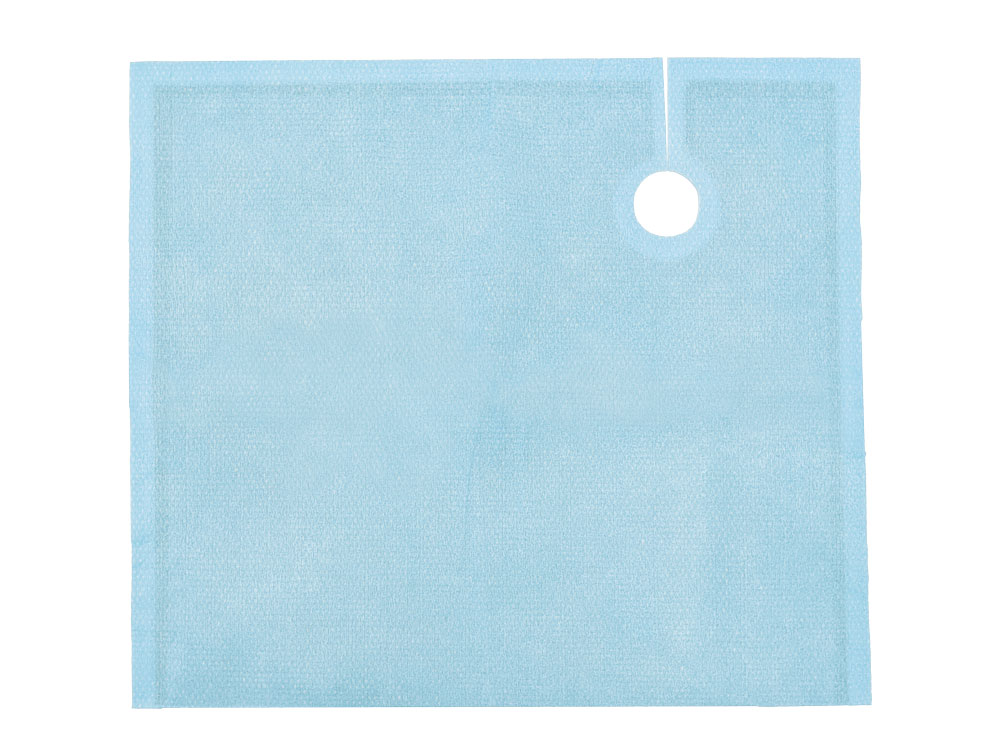
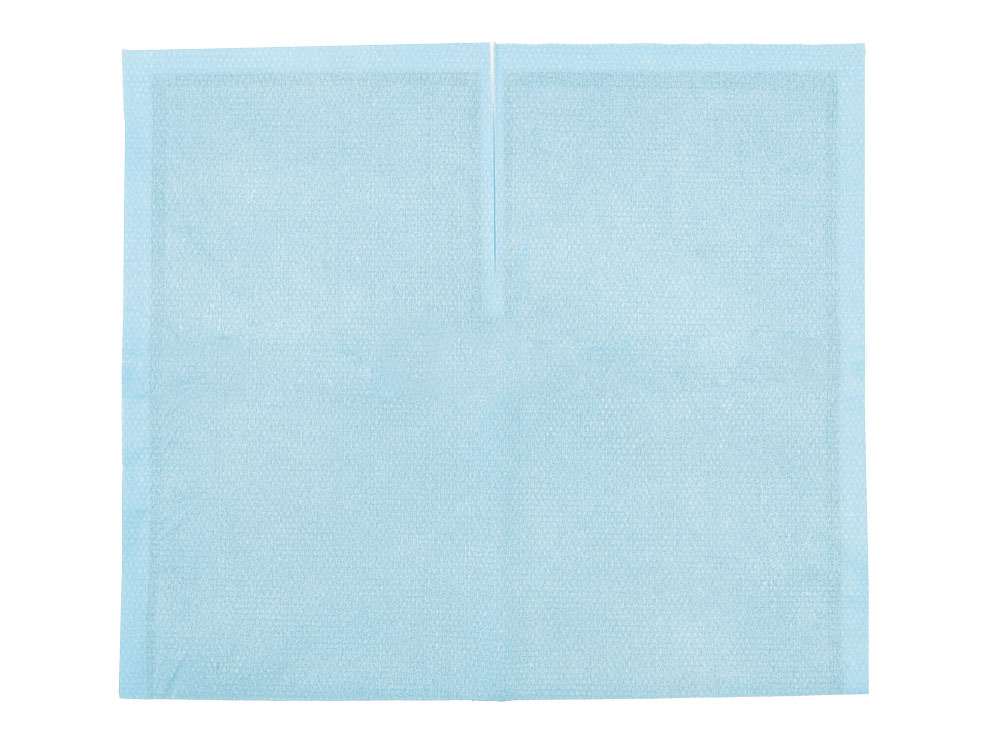
Patient drapes and table drapes help improve protection by removing radiation scatter before it even reaches your team. They’re placed directly at the radiation source to reduce the overall operator dose without adding any extra weight to your team for protection. All products are ASTM-tested. Sterile single-use and reusable options available.
Choose the best drape configured for your procedure.
Angiography Drape
Price range: $180.00 through $385.00Biliary Split Access Drape
Price range: $195.00 through $385.00EP Drape – Large
$315.00EP Drape – Small
Price range: $190.00 through $275.00EP Left Subclavian Drape
Price range: $180.00 through $385.00Multipurpose Drape
Price range: $180.00 through $385.00Multipurpose Drape with Box Fenestration
Price range: $180.00 through $385.00Peripheral Drape
Price range: $275.00 through $595.00
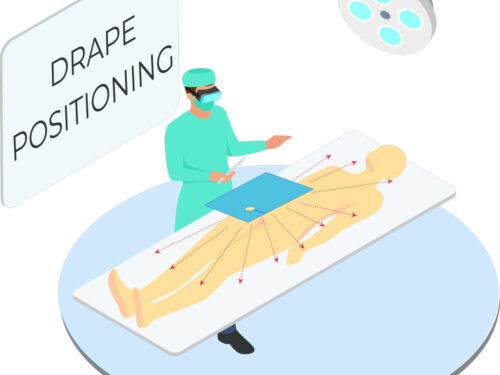
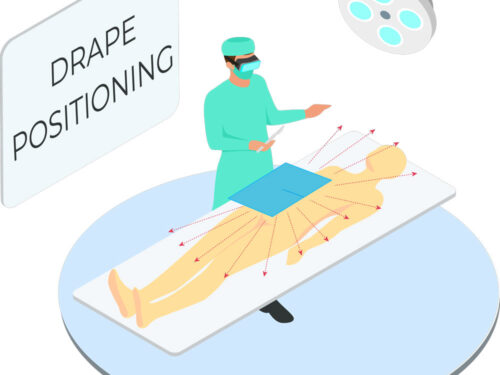
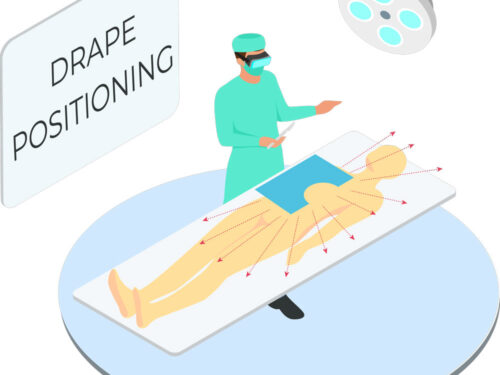
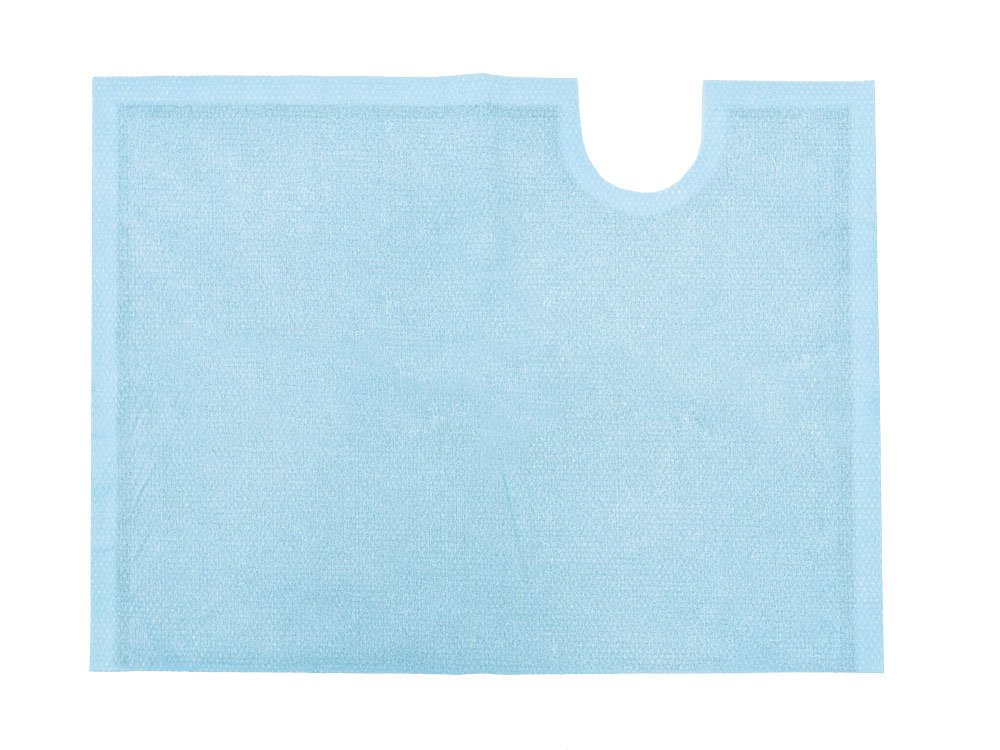
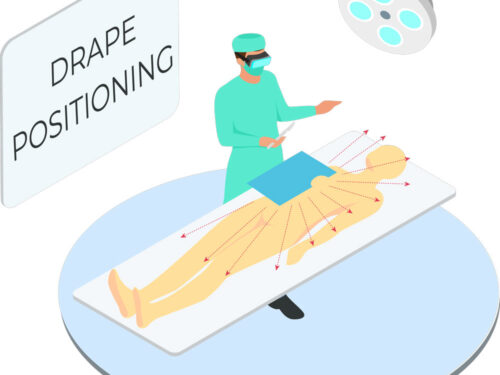
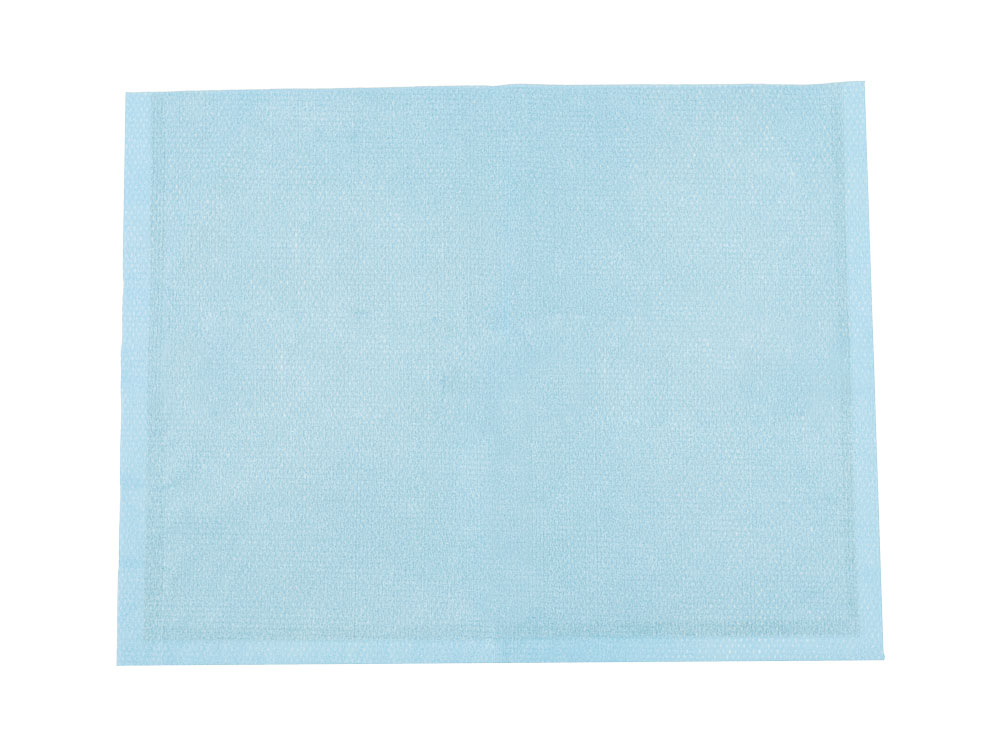
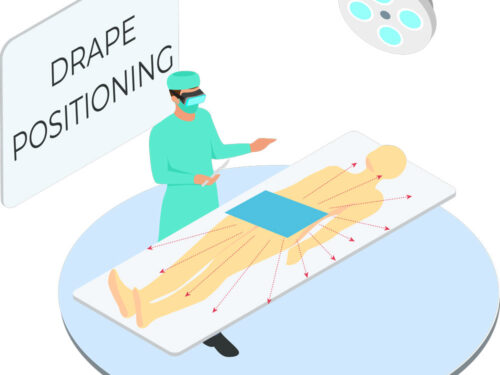
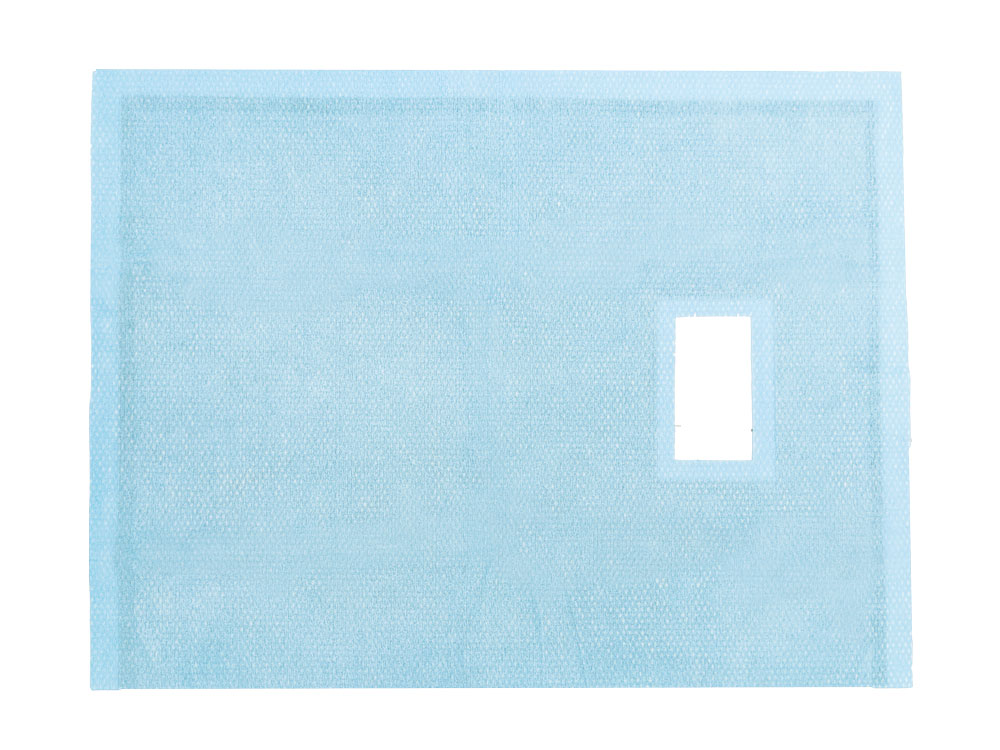
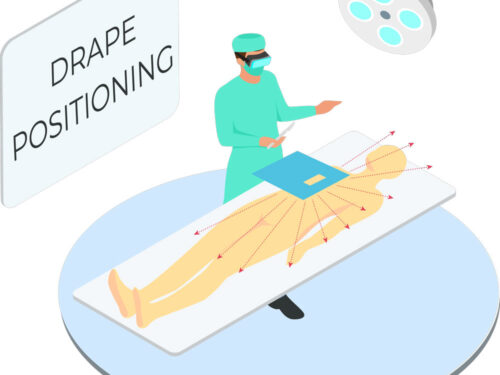
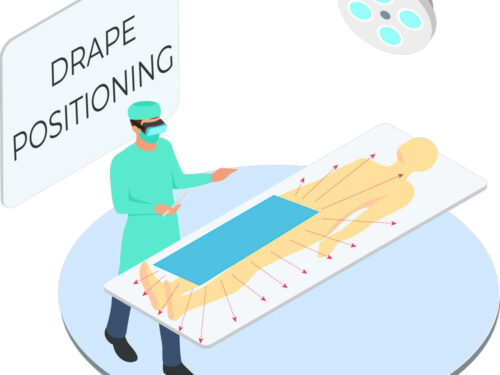
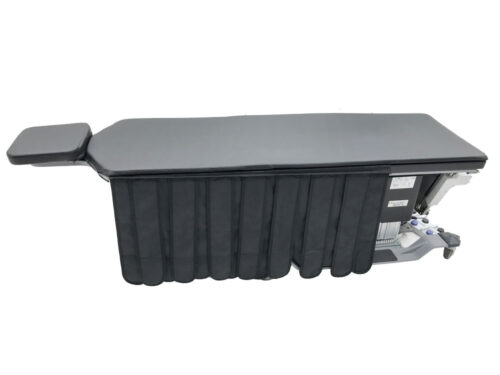
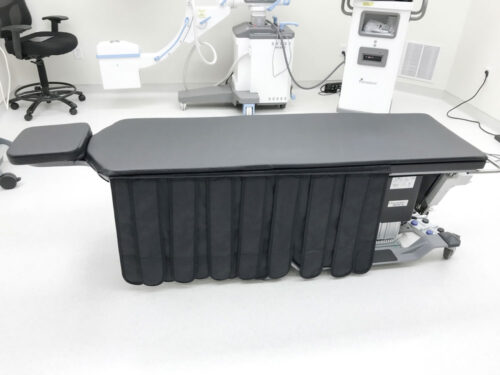
How patient drapes reduce scatter radiation at the source
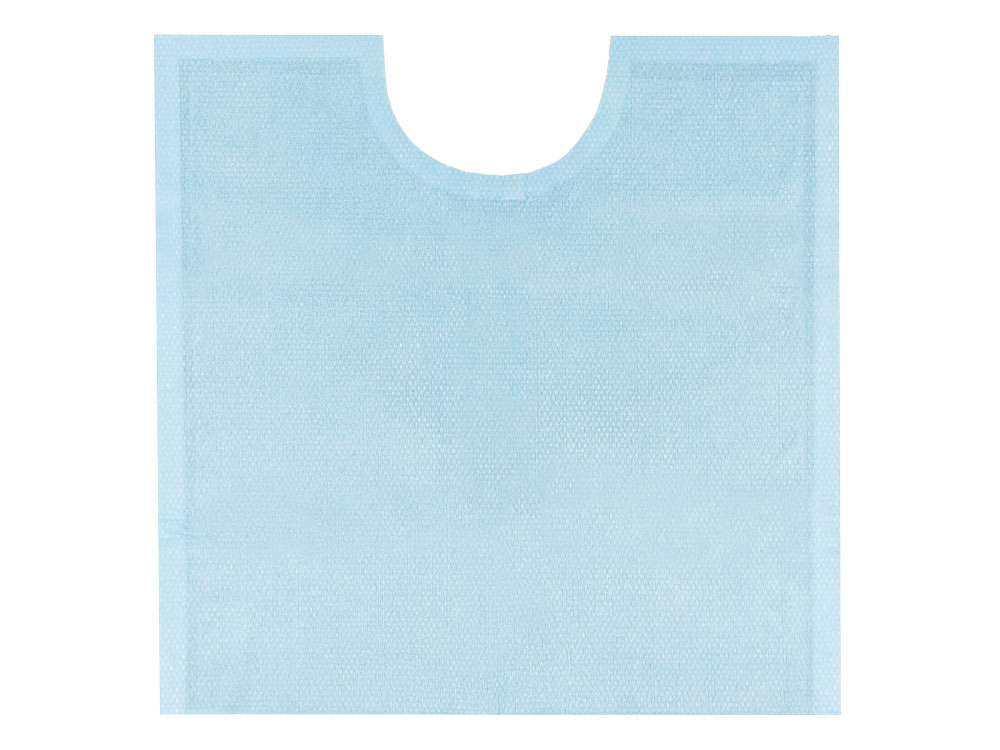
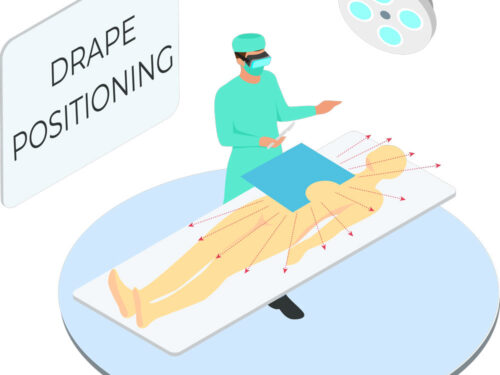
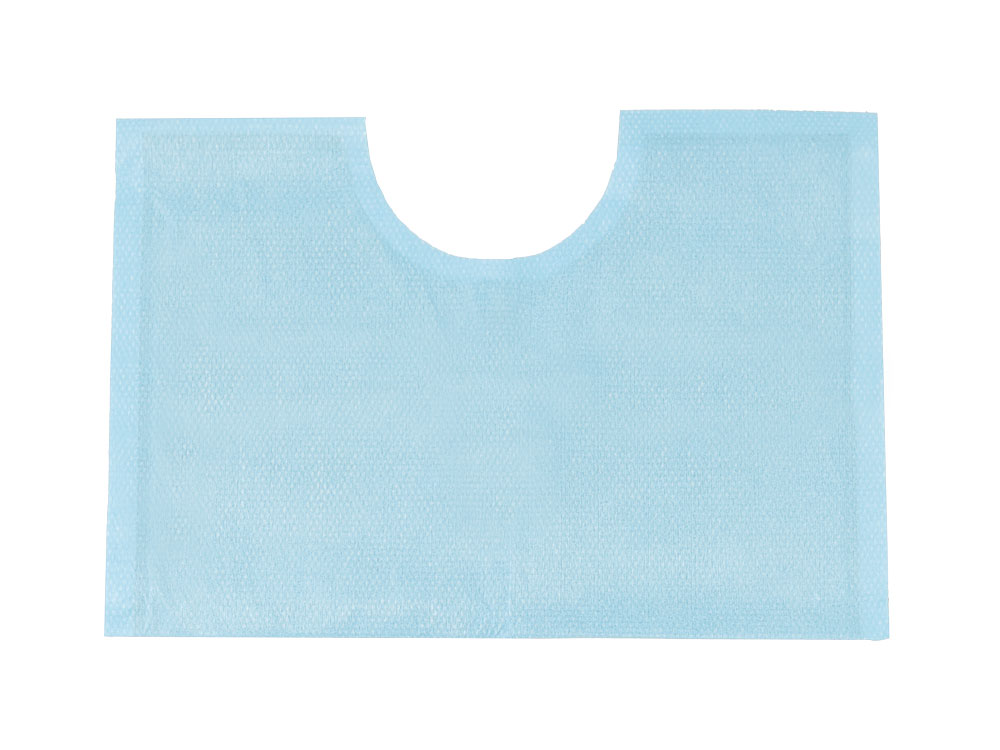
Scatter radiation usually starts at the patient. Every time the X-ray beam strikes tissue, it generates a secondary scatter that disperses. Scatterguard drapes intercept it before it leaves the source.
What is the difference between a patient drape and a table drape?
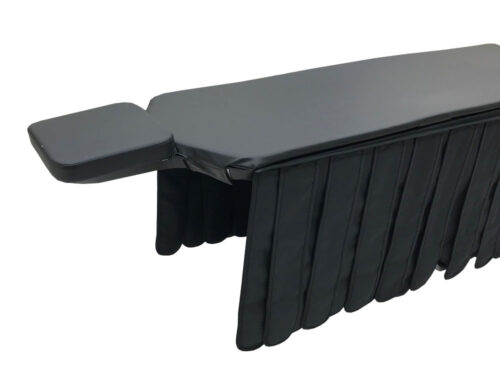
Patient drapes are placed on the patient's body directly at the access site to intercept scatter at the source. Table drapes hang from the table edge to shield the staff's lower body. Both can be used simultaneously.
How much do radiation patient drapes reduce operator exposure?
Up to 64% dose reduction at the operator level per AJR fluoroscopy literature. Confirm use of this statistic with your clinical/compliance team before publishing.
Are radiation drapes reusable or disposable?
Scatterguard patient drapes are sterile and single-use. Single and double-sided table drapes are affixed to the operating table and used many times. With proper care, table drapes can last for years. They are constructed from the same high-quality materials as our radiation protection garments.
What lead equivalence should a radiation drape have?
Recommended Patient Drape LE: 0.25mm LE attenuates approximately 90% @ 90kV. (other thicknesses: 0.60, 0.125, 0.375mm LE)
Recommended Table Drape LE: 0.50mm LE attenuates approximately 94% @ 90kV. (other thicknesses: 0.25, 0.35, 0.70mm LE) .
Which drape is best for an electrophysiology lab?
EP Drape Large — configured for EP lab table layout and access site geometry.
Can radiation drapes replace a lead apron?
No. Drapes supplement wearable PPE by reducing source scatter. Staff should still wear appropriate lead aprons.