
Every Apron Needs a Complete Set — Here’s What You’re Missing
A lead apron fully covers your torso, but scatter radiation doesn’t stop there. It reaches the thyroid, eyes, head, and more. Completing your radiation protection system means fully addressing every exposed area with the ideal product to minimize exposure as much as possible.
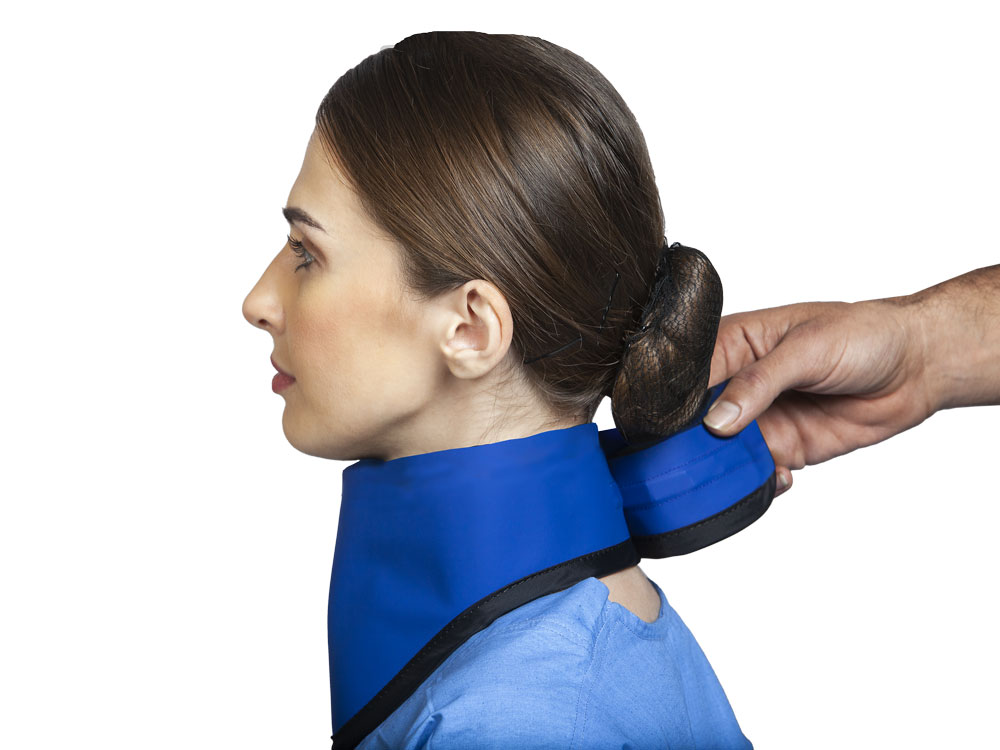
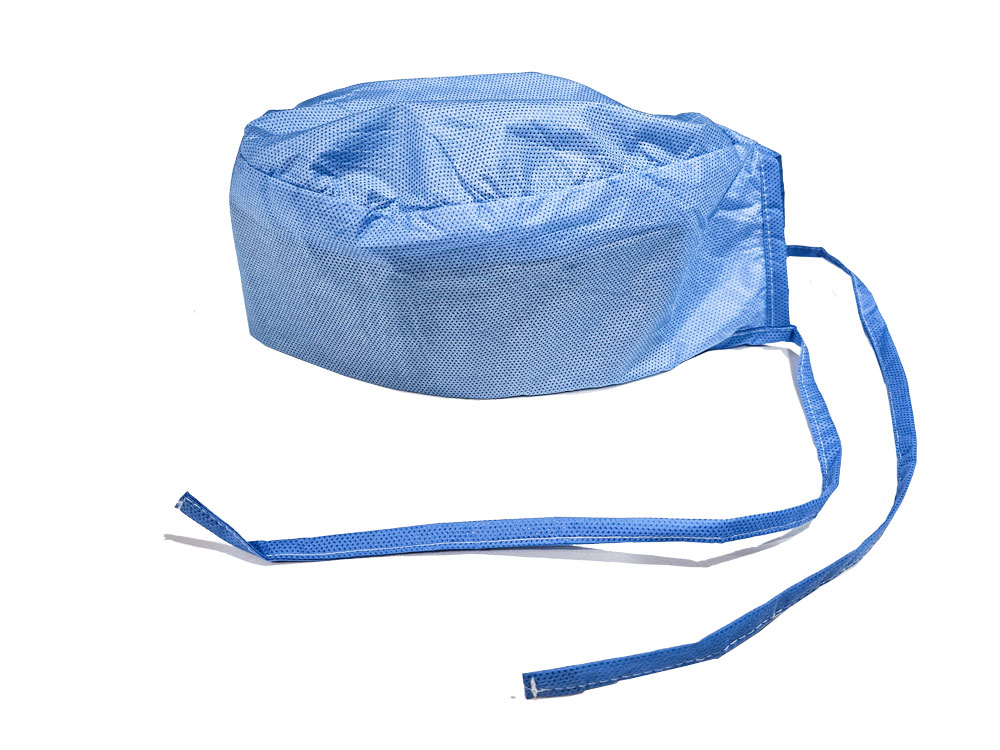
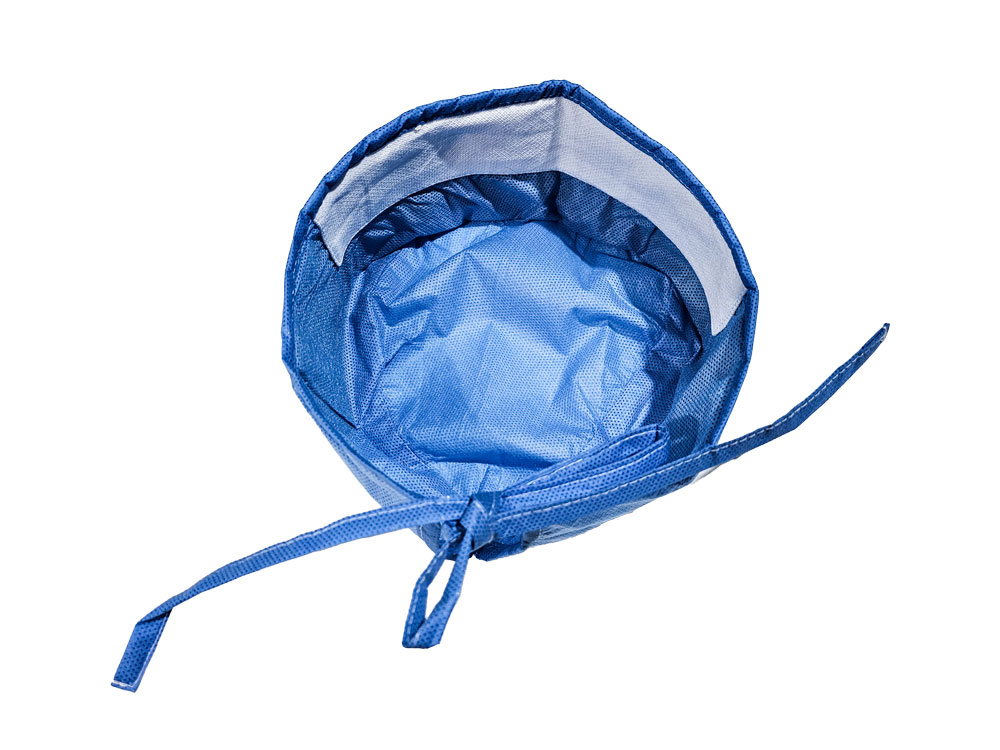
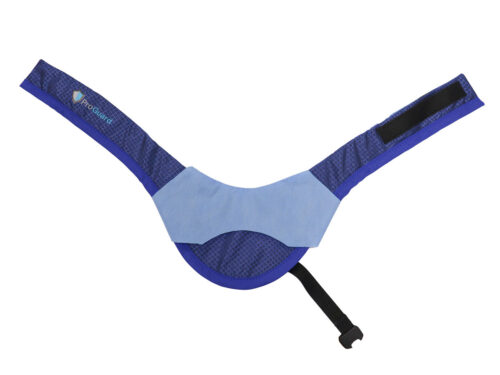
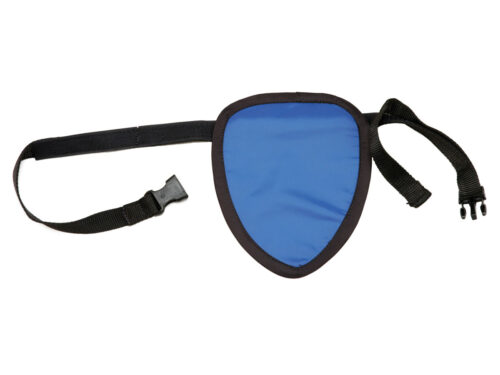
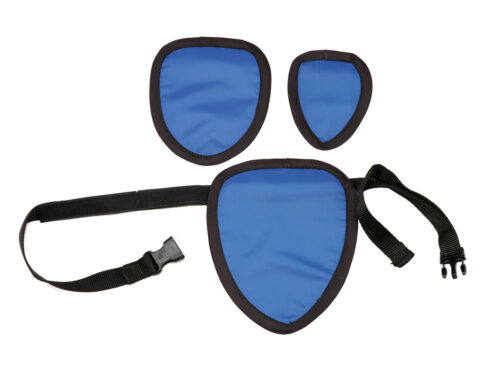
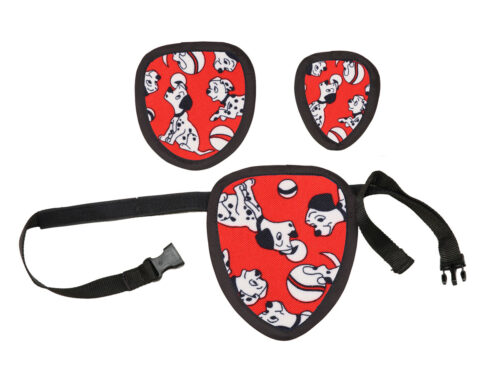
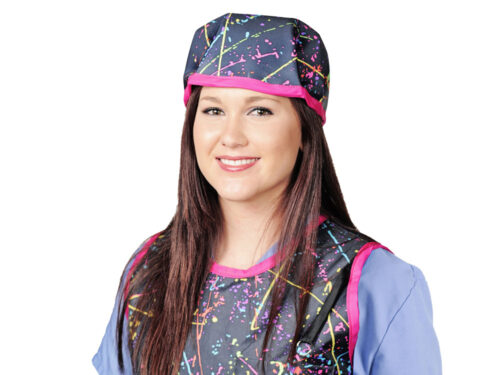
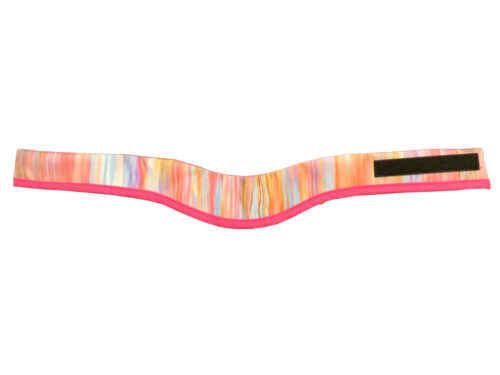
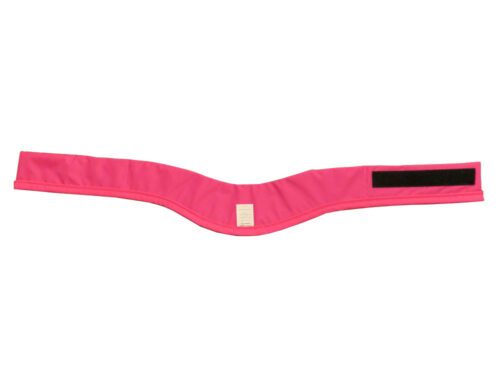
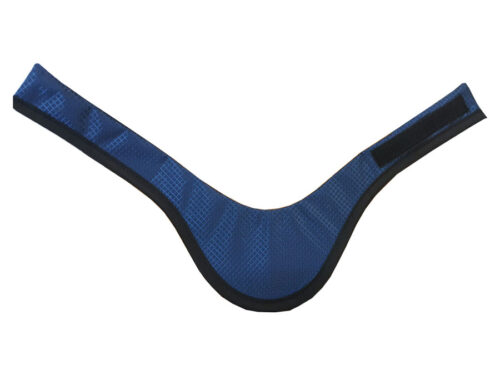
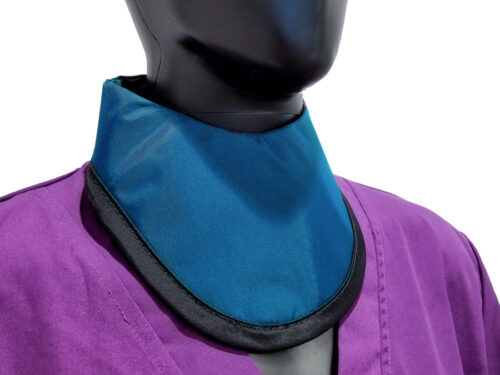
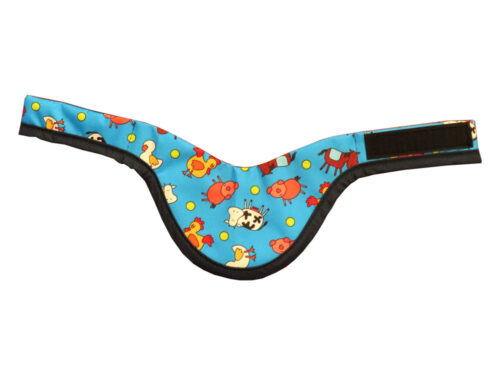
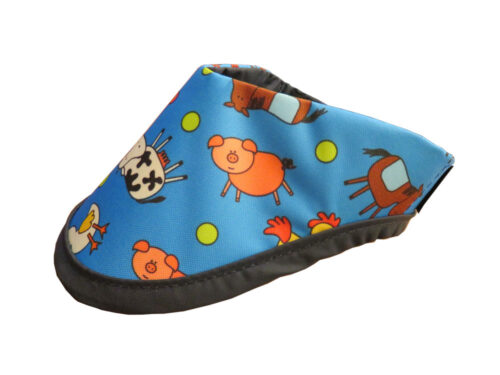
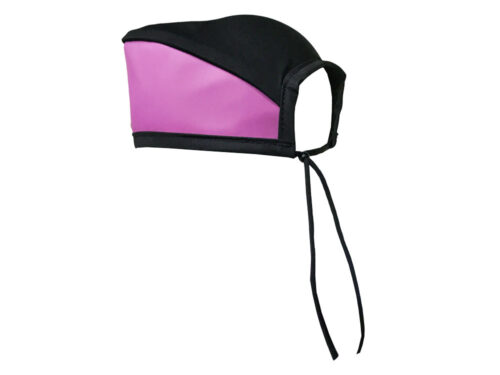
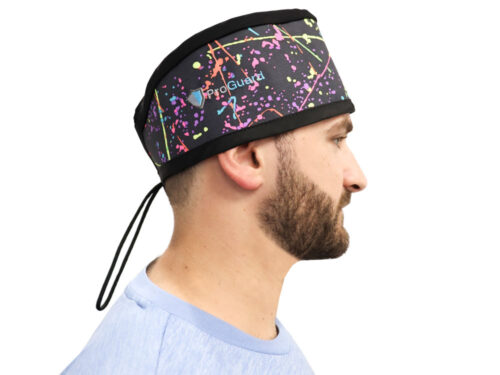
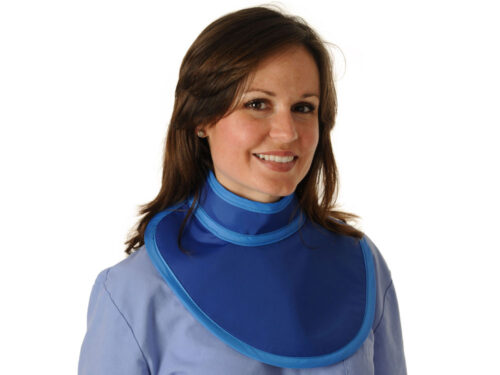
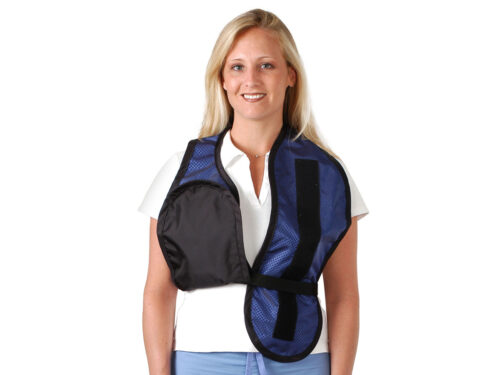
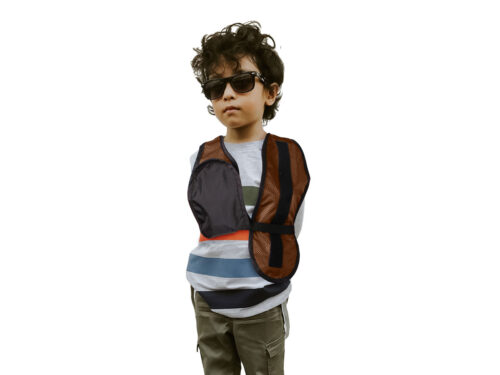
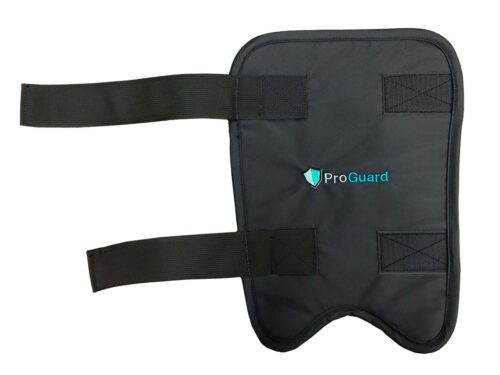
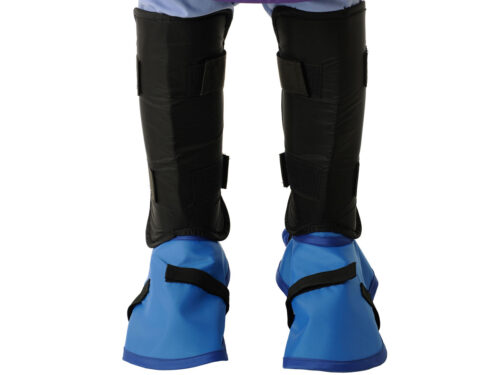
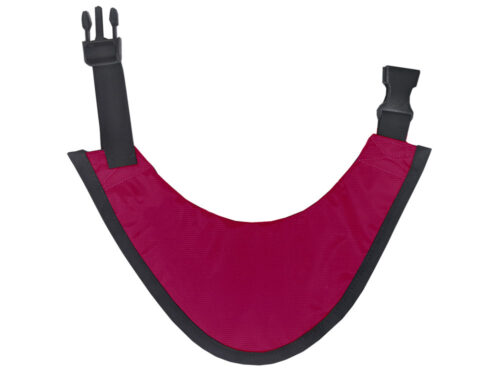
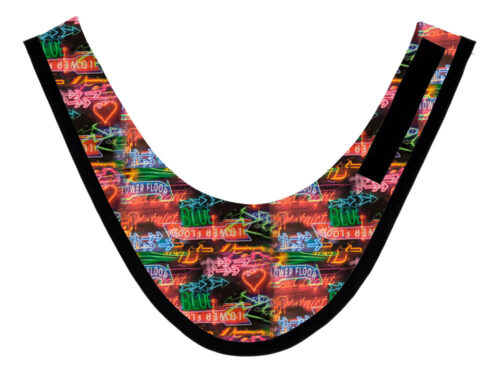
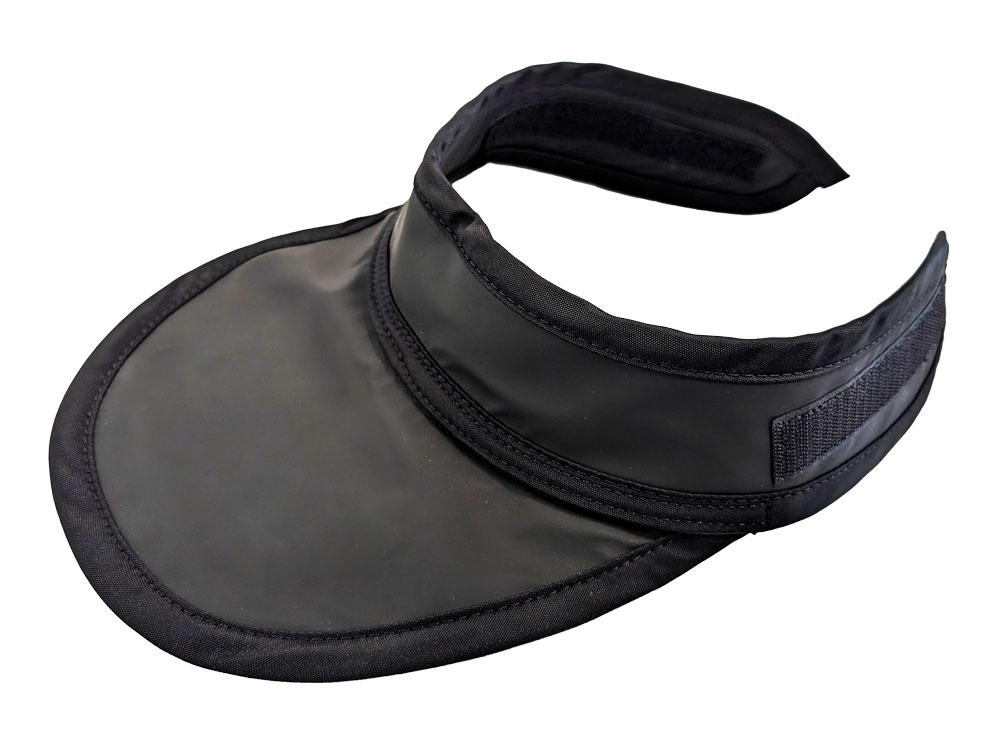
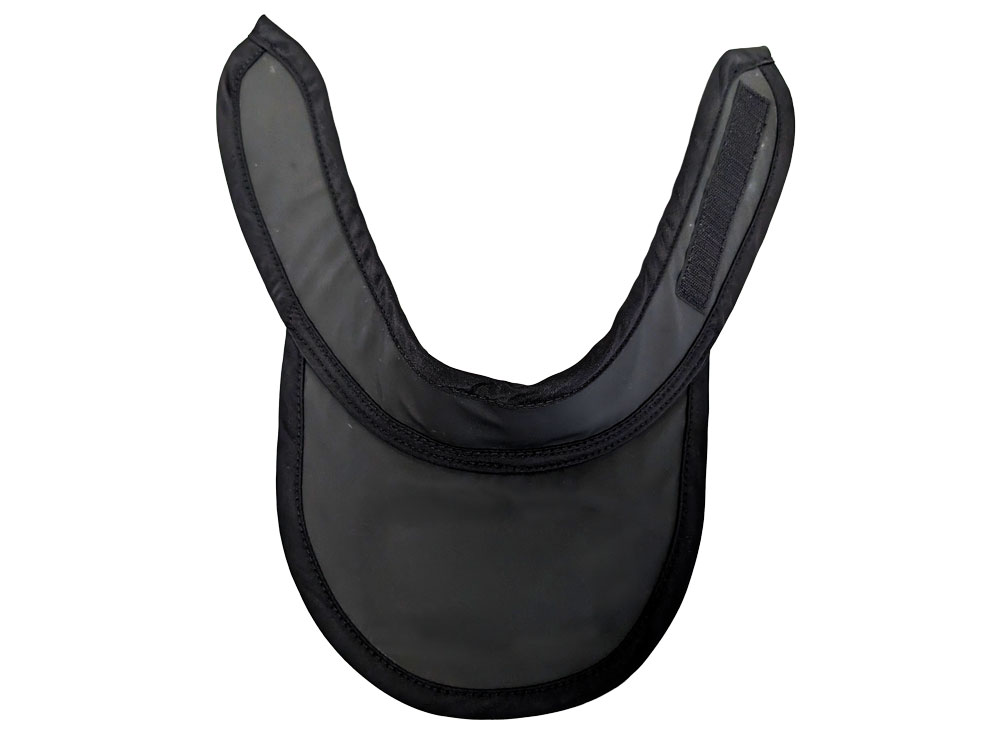
A thyroid collar that actually covers the gland, a head cap to reduce cranial scatter, and gonad shields to improve reproductive protection. Our lead accessories range covers every item above, plus some other necessary accessories worth having.
Shop All Radiation Protection Accessories
$95.00
Price range: $75.00 through $85.00
Select options This product has multiple variants. The options may be chosen on the product page$220.00
Price range: $125.00 through $265.00
Select options This product has multiple variants. The options may be chosen on the product page$23.00



FAQ: Radiation Protection Accessories
What radiation protection accessories do I need with a lead apron?
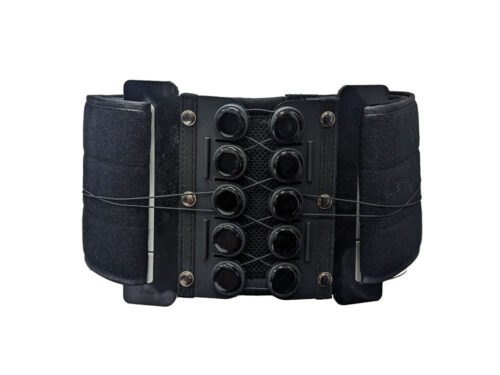
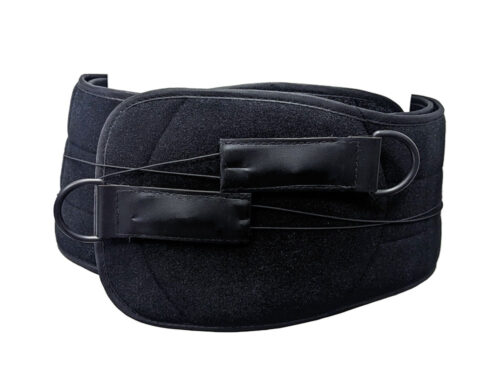
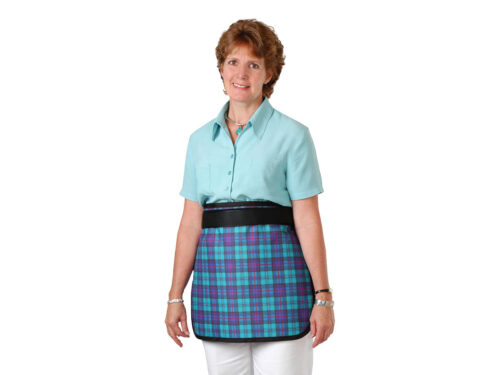
The most important accessory is the thyroid collar since it covers the most sensitive organ that your lead apron can’t cover. Lead glasses are a must for fluoroscopy staff, and a Corset Belt is recommended for anyone using a lead apron for over four hours per day. Gonad shields and head caps are also important for high-exposure specialties.
Does a lead apron protect the thyroid?
No. Lead aprons do not cover the neck unless they specify a sewn-in thyroid collar. The thyroid gland sits directly in the scatter field during fluoroscopy and interventional radiology and requires a dedicated thyroid collar for protection.
How much does a thyroid collar reduce radiation dose?
A correctly fitted thyroid collar reduces radiation dose by 50 to 95%, mostly depending on the fit and usage.
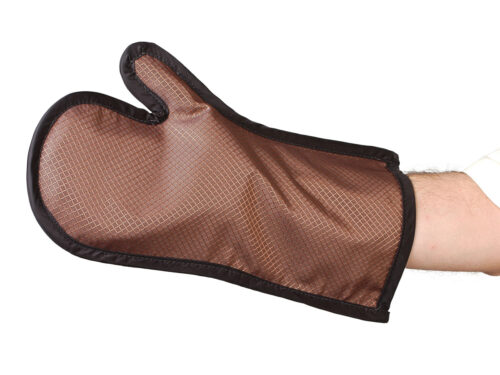
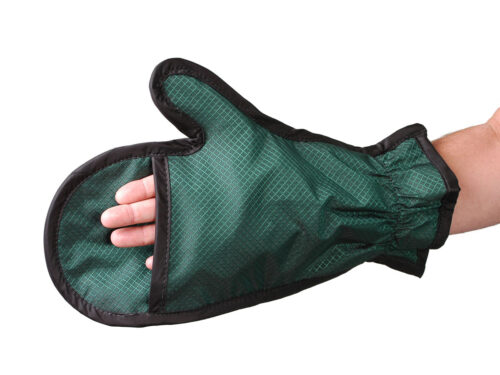
What is an Angio Mitt?
An Angio Mitt is a lead-lined mitt designed for angiographic procedures where the hand must be positioned near or in the radiation field. It allows for hand positioning required during vessel access and catheter manipulation, while providing scatter attenuation at the hand and wrist.
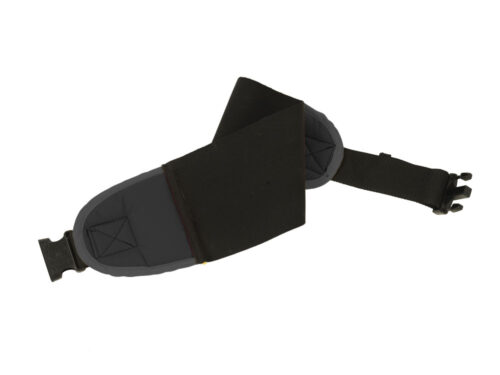
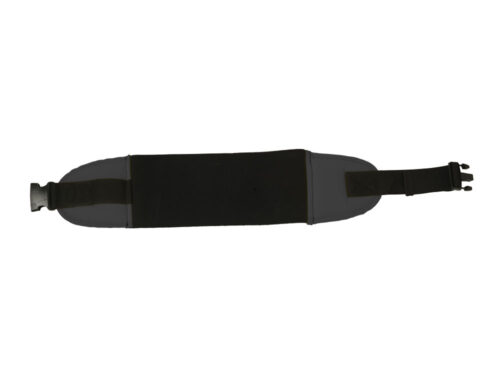
Is there an accessory that can help with back pain?
The Corset Belt provides additional support to the lumbar spine, reducing lordotic curvature and musculoskeletal strain during long procedures. Approximately 50% of interventionalists develop clinically significant back or spine problems over their careers, and cumulative apron weight is a primary contributing factor. The Corset Belt t can be extremely helpful for staff wearing aprons for four or more hours daily.