Lead Glasses for Radiology:
Prescription Options, Lens Materials & Fit Guide
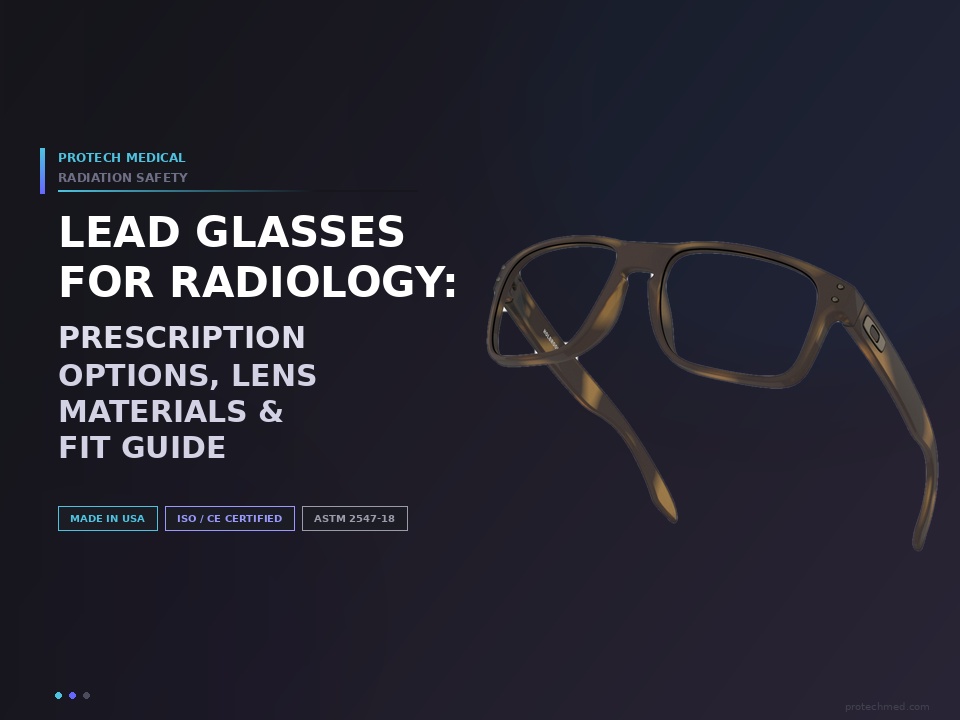
Key Takeaways
- The ICRP reduced the occupational eye lens dose limit from 150 mSv to 20 mSv per year in 2011, a reduction of more than 85 percent. Most interventional staff are unaware of this threshold.
- Interventionalists show a cataract prevalence approximately seven times higher than non-radiation-exposed colleagues. This is a direct consequence of chronic, unshielded scatter exposure to the lens during fluoroscopic procedures.
- The four fit checks to run before clinical use are: side shield contact with the orbital bone, frame wrap angle, nose bridge fit, and temple length. A gap at any of these points is a protection gap.
- Lead glasses should be inspected annually. Lens clarity directly affects attenuation performance. A chipped, cracked or scratched lens transmits more radiation than a clear one.
Your eyes are one of the most under-protected organs when you’re in a cath lab. Lead aprons and thyroid collars are standard use, but when it comes to radiation-protective eyewear, it’s inconsistently worn, and many in the interventional workforce simply aren’t informed of the risks.
In 2011, the International Commission on Radiological Protection lowered the occupational eye lens dose limit from 150 mSv to 20 mSv per year, which is a clear reduction of more than 85%. The revision was made due to emerging evidence that radiation-induced lens opacification occurs at significantly lower doses than we previously thought, and that the threshold for cataract formation is significantly lower than the previous limit.
Staff who work in interventional radiology, cardiac catheterization, and fluoroscopy today are fully aware of the yearly whole-body dose limits, but very few of them will be able to tell you what the lens dose limit is.
This lack of knowledge can bring with it some pretty harsh consequences. Interventional clinicians show a cataract prevalence that is around seven times higher than that of their non-radiation-exposed colleagues. That’s not a coincidence; it’s a consequence of unshielded scatter exposure in fluoroscopic procedures. Luckily, this can be prevented with correctly fitted and properly specified radiation-protective eyewear.
This quick guide shows you all you need to know to select the lead glasses for radiology.
Why Lead Glasses Are Essential in Interventional Radiology
The lens of the eye is extremely radiosensitive. Compared to other bodily tissues, it lacks the capacity to repair radiation-induced DNA damage in its epithelial cells. This means that damage accumulates if the eyes are unprotected, and that accumulation is what leads to posterior subcapsular cataracts.
The process is simple. During fluoroscopy, scatter radiation not only travels in the direction of the primary beam but also radiates outward from the patient in every direction. For staff working near the patient and the primary beam, scatter radiation often hits their faces at oblique angles.
A lead apron and a thyroid shield provide zero protection here. Your eyes are completely exposed unless you have eyewear designed to protect them from radiation scatter.
Lead glasses are not optional PPE for interventional environments. They are the only means of shielding your eyes during all fluoroscopic procedures, and it’s the only way of shielding your eyes apart from barriers.
Lens & Shield Materials: Lead Glass vs Leaded Acrylic
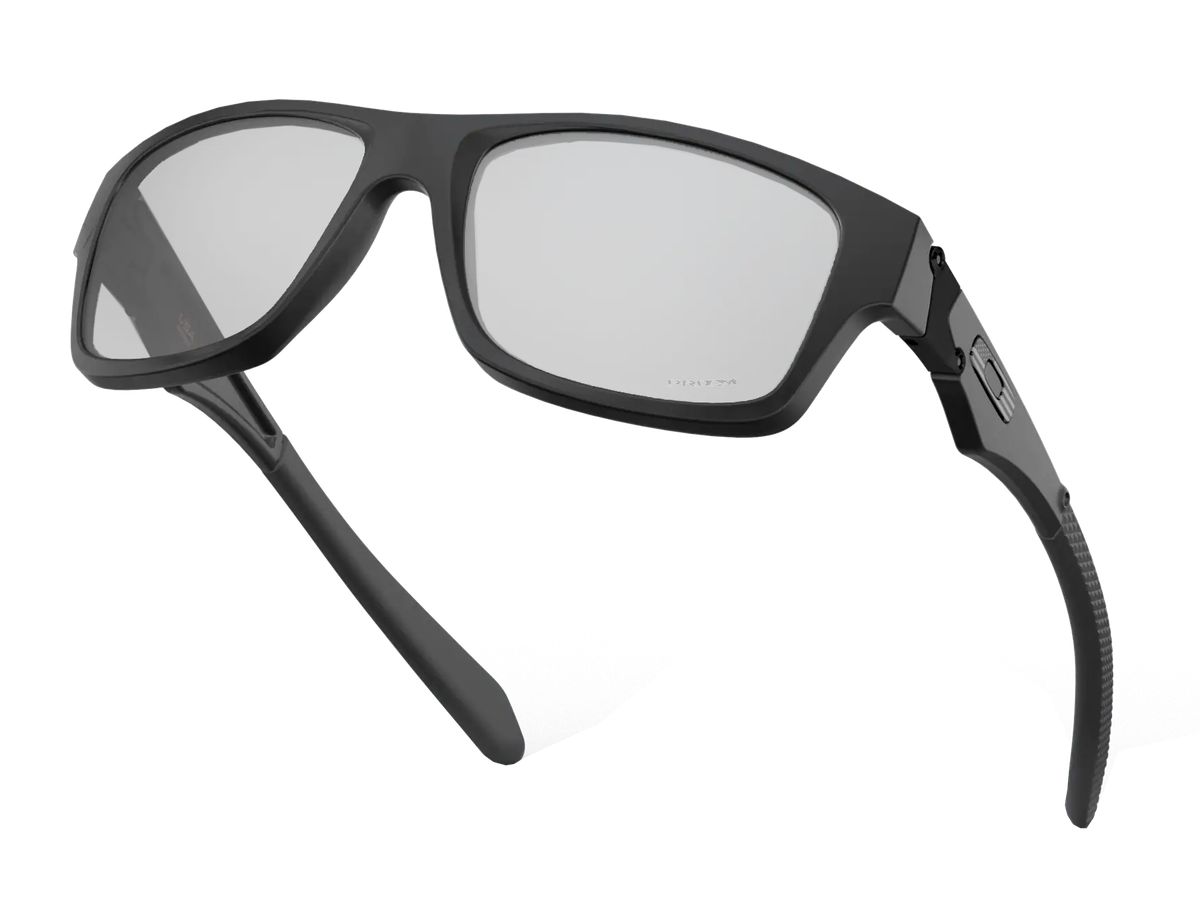
Radiation-protective eyewear lenses are made from lead glass. Leaded acrylic — the other common shielding material — isn’t used in glasses frames; it’s what face shields are made from, which are a separate option we cover below. Both attenuate scatter, but they suit different needs in clarity, weight, and coverage.
Lead glass is the benchmark when it comes to radiation-protection lenses. It is clear, easy to clean, consistent, and has good attenuation across the relevant kVp range. Lead glasses at 0.75mm Pb equivalency are the most reliable protection for high-dose and high-scatter environments. Although their biggest issue is the weight. Lead glasses are significantly denser than acrylic, which means a heavier overall frame, and can become an issue over long periods of time.
For cardiologists and interventionalists spending most of their shift in the cath lab, frame weight is a big concern about whether they actually keep the glasses on the whole shift or not.
Leaded acrylic face shields give panoramic, full-face coverage and are a strong choice in high-dose environments. The trade-off is that they’re more cumbersome than glasses and can slightly reduce visual clarity, so many staff prefer lead glasses for targeted eye protection during routine work.
One caveat: acrylic scratches more easily than glass, so shields need careful handling to stay optically clear.
For quick, low-scatter work and general fluoroscopy, lead glasses at 0.5mm Pb are sufficient and comfortable. For high-dose environments with extended beam-on time, we recommend 0.75mm Pb lead glass — or a leaded-acrylic face shield where full-face coverage is warranted.
Lead Glasses Fit Guide: What to Check Before You Buy
A poorly fitted pair of radiation glasses will not provide the same amount of protection as the specification shows, and in some configurations, it could be negligible. Proper fit isnot just a comfort preference, it’s a protection issue. The following four checks should always be applied to every pair of radiation-protective eyewear you receive before actual use.
Side shield contact: Side shields will only offer protection if they are in full contact with the orbital bone and temple area. A frame that sits away from your face, due to something like incorrect temple length, a nose bridge that is a bit too wide, or a frame that is too big, will create a gap at the lateral orbital margin that will let scatter through. Check the side shield contact by using a mirror with the glasses on and ensure that there’s no visible gap.
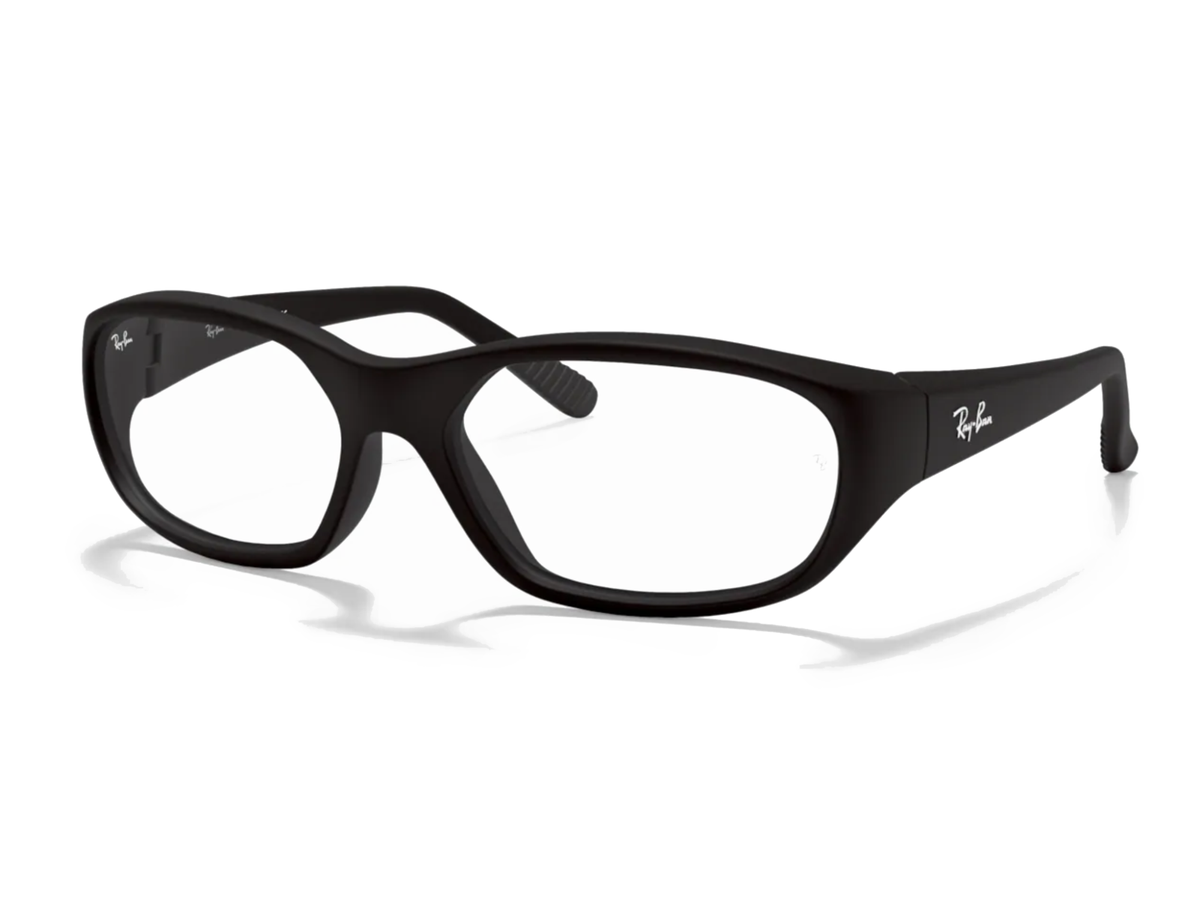
Frame wrap angle: Wraparound frames provide much better lateral protection than flat-front frames since the lens continues around the orbital curvature rather than stopping at the edge. For high-scatter environments, a frame with a wrap angle of at least 8-10 degrees is ideal.
Nose bridge fit: A nose bridge that is too wide lets the frame slide down during procedures, which is especially noticeable when looking down or while leaning forward. When the frame slides, the side shields lose contact, and the eyes are no longer protected.
Temple length: When too short, it will pull the frame away from the face at the nose bridge, and when too long, it lets the frame shift forward. Both produce unwanted movement that completely impacts the level of protection.
Browse the full Protech lead glasses line to review available frame styles, side shield configurations, and sizing options.
Getting Prescription Lead Glasses for Radiology
Many interventional staff members wear prescription glasses. For this specific group, radiation eye protection varies since they get two options: either they use prescription glasses integrated into their radiation-protective frame, or they use fitovers, which are placed over their existing glasses.
Prescription lead glasses: This is the option where you put your Rx inside a lead glass lens , and it’s generally the go-to option for most people. It completely eliminates the weight problem associated with fitovers while not compromising your visibility whatsoever.
The ordering process is simple: submit your current prescription to Protech’s optician team by phone, email, or in person at our South Florida office. Select your frame from the eyewear range available. Your lenses are manufactured in-house, and we verify them for both optical and radiation specifications before shipping.
Fitovers : These are radiation-protective frames made to go over your existing prescription glasses. They are a great option when your prescription complexity doesn’t allow in-frame integration to be practical or when budget is a primary consideration.
The biggest limitation it has is fit. Fitovers add weight to the face and, when not perfectly fitted, will produce side-shield gaps that lower their effectiveness. They are a good momentary alternative, but are not an ideal substitute for a properly fitted prescription pair.
FAQ: Lead Glasses for Radiology
Do I need lead glasses for interventional radiology? Yes. Interventionalists show a cataract prevalence approximately seven times higher than non-radiation-exposed colleagues. The ICRP occupational eye lens dose limit is 20 mSv per year, a threshold that can be approached in high-volume fluoroscopy environments without protective eyewear. Lead glasses are the only means of shielding the lens during fluoroscopic procedures. For a full PPE framework, see our radiation protection PPE checklist.
Can I get prescription lead glasses for radiology? Yes. Protech Medical's licensed opticians surface prescription corrections in-house across the full leaded eyewear range, with single vision, progressive, and bifocal available. Submit your current Rx to our team, select your frame, and your prescription lead glasses are built and verified to both optical and radiation specifications. Contact us to start your order.
How much do lead glasses reduce eye dose? In correctly fitted wraparound frames with side shields, radiation-protective eyewear reduces eye dose by up to 95 percent. That figure depends on fit, particularly side shield contact and frame wrap angle. A poorly fitted pair provides substantially less protection regardless of lead equivalency specification. See our fit guide above for the four checks to apply before clinical use.
Do lead glasses need to be inspected? Yes. Lenses should be inspected annually, or immediately if scratching, chips, cracks, or optical distortion is noted. Lens structure is directly related to attenuation performance: a scratched, chipped or cracked lens transmits more radiation than a full intact one. Frames should also be checked for deformation at the nose bridge and temple joints, which can cause the fit failures described above. Documentation of the inspection date should be maintained in your department's radiation protection records.
What is the difference between lead glasses and leaded acrylic face shields? Lead glasses provide superior optical clarity, are significantly lighter, more comfortable for extended wear and allow for prescriptions. Lead acrylic face shields are the benchmark for high-dose environments by providing panoramic protection. The choice between them should reflect your procedure environment, daily wear duration, and lead equivalency requirement. Confirm your department's specification with your radiation safety officer.
How do I choose between wraparound frames and fitovers? Wraparound frames are standalone radiation-protective glasses and are available in Rx or Plano (non-Rx), providing the best combination of side shield coverage and face contact. Fitovers are designed to wear directly over existing prescription glasses. Fitovers are appropriate for occasional users or as interim protection, but the added frame layer increases total weight. For full-time use in high-scatter environments, a Rx wraparound pair is the better choice.

Let’s talk Protech-tion |
Or call 561.627.9769 to get started.
The Eyewear Problem Has a Simple Solution
Every single year you go without eyewear protection results in a cumulative lens dose that won’t magically disappear. It adds to what came before. Over a 20 or 30-year career, that accumulation can cause major eyesight problems that require medical attention to treat.
The ICRP revision didn’t change biology; it only showed us what we were truly missing. Lead glasses correctly fitted to your face, built to your prescription if needed, and worn every single day during every single procedure are an investment that is well worth your time and your health.
Protech helps you find the ideal lead glasses for you. Shop all of our lead glasses here.